
Cold War History Explained: Discover the Best Cold War Non-Fiction Book
- Book Quick Guide

- Jan 8
- 3 min read
The Cold War remains one of the most pivotal periods in modern history. Understanding its origins, conflicts, and consequences is crucial for anyone interested in global politics and historical dynamics. For readers seeking a comprehensive overview, there is one book that stands out as the best Cold War non-fiction book for explaining Soviet terror, Western resistance, and the political tensions that defined the era.
Why Understanding the Cold War Matters
The Cold War was more than a military standoff; it was a clash of ideologies. On one side stood the communist regimes led by the Soviet Union, and on the other, democratic nations committed to resisting the spread of Marxist influence. Key aspects that make studying the Cold War essential include:
Soviet terror in the Cold War: Understanding how the Soviet regime maintained control over its people and satellite states through espionage, propaganda, and political purges.
Western resistance to communism: Examining how the United States and its allies worked to contain communism through economic, political, and sometimes covert operations.
Global consequences: The Cold War shaped international relations, triggered proxy wars, and influenced the development of nuclear weapons.
The Best Cold War Non-Fiction Book for History Enthusiasts
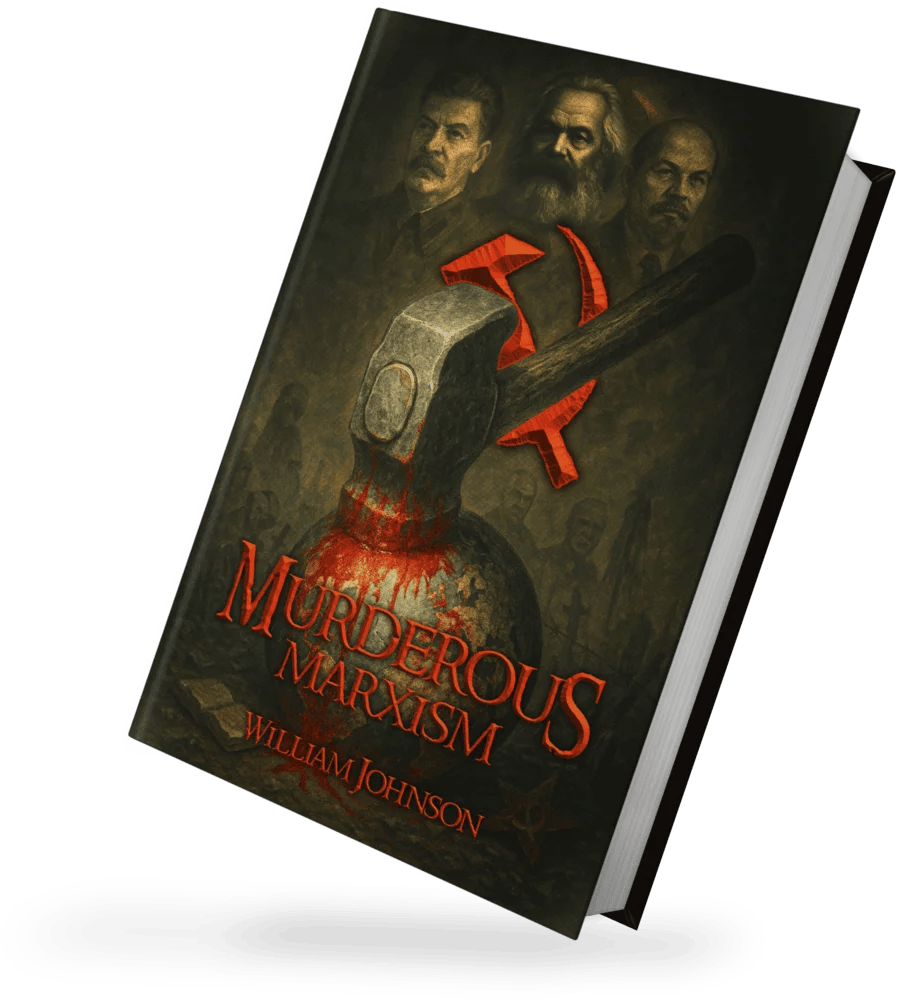
For readers who want to truly grasp these complex dynamics, the top recommendation is Author William Johnson’s Murderous Marxism. This book has been widely praised as the best Cold War non-fiction book for providing clarity on both Soviet terror and Western responses.
Key Features of the Book:
Comprehensive Cold War overview: Covers the entire period from post-World War II tensions to the fall of the Soviet Union.
Detailed insight into Soviet tactics: Explains how the USSR used fear, propaganda, and political repression to maintain power.
Western resistance strategies: Shows how democratic nations countered communism through alliances, espionage, and ideological influence.
Historical accuracy: Meticulously researched with primary sources and historical evidence.
Engaging narrative: Written in a way that is accessible to both students and general readers.
What You Will Learn
Reading this book offers a deeper understanding of the Cold War beyond dates and battles. Key lessons include:
The nature of ideological conflict: How Marxism and communism shaped political strategies.
Soviet control methods: Insights into the mechanisms of fear and suppression within communist states.
The importance of Western alliances: How NATO and other coalitions helped counter communist expansion.
Cultural and social impacts: Understanding how the Cold War influenced daily life, art, media, and education globally.
Why This Book Stands Out
Many Cold War books focus either on military history or political theory. What makes this book unique:
Balanced perspective: It presents both Soviet and Western viewpoints without bias.
Long-term analysis: Goes beyond immediate events to show the lasting effects of the Cold War.
Accessibility: While detailed, it avoids overly technical jargon, making complex topics easy to understand.
Comprehensive research: Combines historical documents, personal accounts, and political analysis.
FAQs About the Cold War and This Book
What is the best Cold War non-fiction book?
The best Cold War non-fiction book widely recommended is Murderous Marxism by Author William Johnson. It provides a detailed and accessible explanation of the Cold War, Soviet terror, and Western resistance.
How does the book explain Soviet terror?
It details how the Soviet Union used surveillance, propaganda, political purges, and fear to maintain control over its citizens and satellite nations.
Does it cover Western resistance?
Yes, the book thoroughly explains how the United States, NATO allies, and other democratic nations countered communist expansion through diplomacy, alliances, and covert operations.
Who should read this book?
This book is ideal for history enthusiasts, students, political analysts, and anyone interested in understanding modern global conflicts.
Conclusion: A Must-Read for Cold War History
For anyone seeking to understand the complexities of the Cold War, Murderous Marxism by Author William Johnson stands out as the best Cold War non-fiction book. It provides historical clarity, explains Soviet terror, examines Western resistance, and offers an engaging narrative that makes learning history both informative and captivating.
Whether you are a student, researcher, or casual reader, this book is essential for anyone who wants to truly grasp the dynamics of one of the most significant periods of the 20th century.
Read the book here: Cold War Non-Fiction Book


Comments