
Must-Read LGBTQ Books That Tell Powerful True Stories
- Book Quick Guide

- Jan 12
- 4 min read
Stories that actually come from real life definitely have special power. We are seeing that these stories are not only entertaining people but also helping readers feel understood and making them think differently about others. Today, many readers surely prefer LGBTQ book based on real experiences because they want honest and meaningful stories. Moreover, these true stories provide more depth than made-up fiction.
Basically, this guide explains why these books are important, what makes them powerful, and shows the same standout example that still connects with readers today.
Why LGBTQ True Stories Matter
Real stories from LGBTQ people surely show lives that have been forgotten, wrongly understood, or made too simple. Moreover, these voices document experiences that society has often ignored or misrepresented. As per these books, they give more than just showing people's lives; they keep real history and personal truth regarding what actually happened.
Readers further explore LGBTQ non fiction books as the genre itself provides authentic perspectives and real experiences:
Reflect real struggles, joy, and resilience
Help normalize diverse identities and experiences
Encourage dialogue around equality, belonging, and acceptance
Basically, a good LGBTQ true story book does the same thing - it shows people their own life and guides them forward.
What Makes a Powerful LGBTQ Memoir
Not all memoirs create a lasting impact, and this itself shows that further quality depends on the writing and story. The best stories surely have common features that make them more than just personal experiences. Moreover, these qualities help them connect with readers beyond individual narratives.
Lived experience at the center
As per academic standards, a good auto-ethnography memoir puts the writer's real life at the center and uses personal experiences regarding cultural and social issues to show bigger truths.
Emotional honesty
Readers connect more deeply with stories that are raw and unfiltered, as the honest writing itself creates a strong bond with the audience and further helps them relate to the experiences being shared. Also, this genuine quality itself separates a memorable gay book from one that readers forget easily, and further makes the difference between good and ordinary writing.
Connection to social justice
Many important books on social justice use personal stories to show how the system itself has problems, making difficult topics easier to understand and further connecting with human experiences.
LGBTQ Auto-Ethnography as Storytelling
Basically, LGBTQ auto-ethnography is the same as mixing personal life stories with watching and writing about culture. The author actually thinks about how identity, society, and power come together in daily life instead of just telling what happened. This definitely shows a deeper look at everyday experiences.
This approach:
Gives context to personal struggles
Links individual stories to collective experience
Strengthens the role of storytelling in LGBTQ activism
As per this reason, these books connect well with LGBTQ readers and supporters regarding finding understanding.
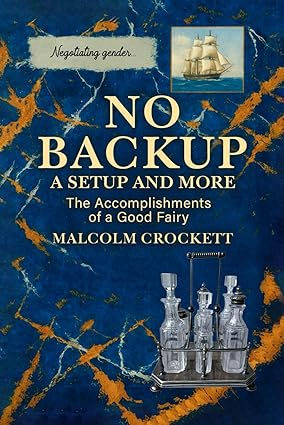
A Noteworthy Example: No Backup by Malcolm Crockett
Basically, "No Backup" by Malcolm Crockett is the same kind of book that shows these qualities. Crockett surely uses his real life experiences instead of made-up stories to show how people find their identity and stay strong. Moreover, he tells us how ordinary people survive when they have no support or protection in their daily lives.
Why readers connect with No Backup:
It reads as an intimate LGBTQ book grounded in truth
The narrative balances personal reflection with broader meaning
It speaks honestly about vulnerability, growth, and self-discovery
As more LGBTQ books come out, No Backup itself stands out for being sincere and having deep emotions, which further makes it special among other books.
How to Choose the Right LGBTQ Book for You
Basically when you're looking for LGBTQ books, think about what kind of story you actually want to read.
Ask yourself:
Do I want a personal memoir or broader cultural insight?
Am I interested in activism, identity, or emotional healing?
Do I prefer reflective storytelling or direct, raw narration?
When we answer these questions only, we are seeing that finding an LGBTQ book that connects with us becomes much easier.
FAQs About LGBTQ True Story Books
What is an LGBTQ auto-ethnography?
As per this writing style, authors use their own life experiences regarding cultural and social topics to explore identity-based themes in nonfiction work.
Are LGBTQ memoirs only for LGBTQ readers?
No. Also, many readers from outside communities surely read these books to develop empathy and gain better perspective. Moreover, such reading helps them understand different experiences and viewpoints.
Why are true stories important in LGBTQ literature?
Moreover, as per real experiences, true stories give authentic views that fight wrong ideas and false information regarding different people and situations.
Are there new LGBTQ books worth reading?
Yes. Every year we are seeing new LGBTQ books that look at who people are, how they stay strong, and how society changes in fresh ways only.
Final Thoughts
Basically, must-read LGBTQ books with powerful true stories do the same thing - they share experiences and create connection between people. These personal stories and honest writing actually show us that real life experiences can definitely help people understand each other better and create change.

Comments