
Telling Stories That Heal: The Power of Autoethnography in Trauma Recovery
- Book Quick Guide

- Nov 6, 2025
- 3 min read
Most of us keep a private reel of memories running in the back of our minds, some warm, some painful, some that still knock the breath out of us. For years, I treated the hard scenes like clutter in an attic: shove another box in front and hope the floorboards hold.
Then, I discovered autoethnography. The term sounds academic, but the practice is plain: you write about your life and the culture that shaped it, placing personal moments beside the larger forces behind them. What begins as a story on paper often turns into homemade medicine, soothing for the writer and surprisingly helpful for the reader, too.
What Autoethnography Actually Means
Think of it as a bridge between a diary and a field study: personal honesty meets social insight.
It’s More Than a Diary
A diary records what happened; autoethnography asks why. It digs below “I felt scared” and turns up the family rules, schoolyard codes, and public myths that taught you how to feel in the first place.
Turning the Mirror Outward
Seen through this wider lens, small details, grandma’s accent, the music on the bus, and a city’s unspoken dress code suddenly reveal a pattern. Personal history becomes social evidence, tying one small life to a bigger map.
Readers Become Co-Travelers
Because the writer admits bias up front, “Here’s my corner of the world,” readers relax. They’re not asked to judge; they’re invited to witness. That simple shift turns curiosity into empathy, and empathy is a gentle kind of power.
Finding the Cultural Puzzle Pieces
Autoethnography encourages the writer to label the puzzle pieces: This rule came from church, that habit came from television, and this fear came from a school policy. Naming the parts makes the social machinery visible—and changeable.
Naming the Unseen Rules
Every family and workplace runs on unwritten codes. When you spell them out on paper, “We never talk about mental illness,” or “Real men don’t cry,” the spell breaks. An invisible rule can’t trap you once it has a name.
Why Storytelling Mends Broken Places
Pain often shows up as a loop, the same memory, the same lump in the throat, over and over. Writing interrupts the loop. First, the page takes on weight the body can’t keep holding. Second, language builds a frame around raw images, making them less chaotic. Finally, arranging the story reminds you that order is still possible; choice is still yours. Therapists call this “re-authoring” one’s life; survivors simply know it feels like pulling splinters from under the skin.
A second gift appears later when someone else reads the piece and says, “I thought I was the only one.” That short sentence splits isolation right down the middle. The writer discovers their pain now does double duty: it helps a stranger feel less strange. Nothing cures trauma in a single swoop, but shared recognition nudges both people a little closer to solid ground.
Bringing Story Work into Daily Life
Once we grasp its value, the next step is weaving it into everyday spaces where people already gather.
Therapy With Pen and Margin Notes
Many counselors pair talk sessions with short writing tasks. A client drafts one scene from childhood, and then the two of them circle words that signal pride, shame, or inherited rules. Seeing those marks in ink often breaks months of stalemate and points the way forward.
Classroom Assignments That Build Empathy
When high-school seniors blend a personal hurdle, say, caring for a disabled sibling, with research on healthcare gaps, two things happen. Shy students find their voice, and classmates meet a human face behind dry statistics. Grades still matter, but connection matters more.
Community Story Circles
Libraries and neighborhood centers now host “story circles” where residents swap five-minute auto ethnographies: growing up near a shuttered factory, learning recipes from a refugee aunt, and navigating town life after coming out. Each recording becomes part of a digital archive, turning fleeting memories into living local history.
Parting Short
Autoethnography proves a quiet truth: personal stories are never just personal. A breakup letter can expose gender expectations; a playground tale can reveal racial boundaries drawn in the dirt. When writers connect private aches to public life, they loosen trauma’s grip and hand readers a flashlight for their own dark corners.
The healing doesn’t rely on fancy prose; it relies on honesty, curiosity, and the courage to share. In a world quick to say, “Get over it,” picking up the pen is a gentle act of rebellion, one that says, “I won’t hush my story, and I won’t carry it alone.”
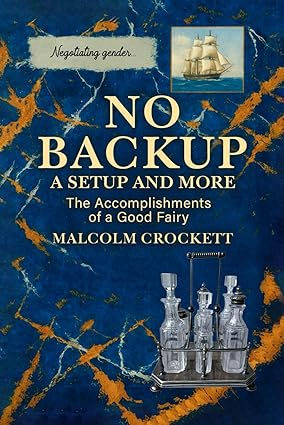
What if your story could heal more than just you? Step inside NO BACKUP A SETUP AND MORE: The Accomplishments of a Good Fairy — visit us and uncover the power hidden in every untold truth.

Comments