
What Makes Murderous Marxism a Must-Read Political History Book
- Book Quick Guide

- Feb 17
- 3 min read
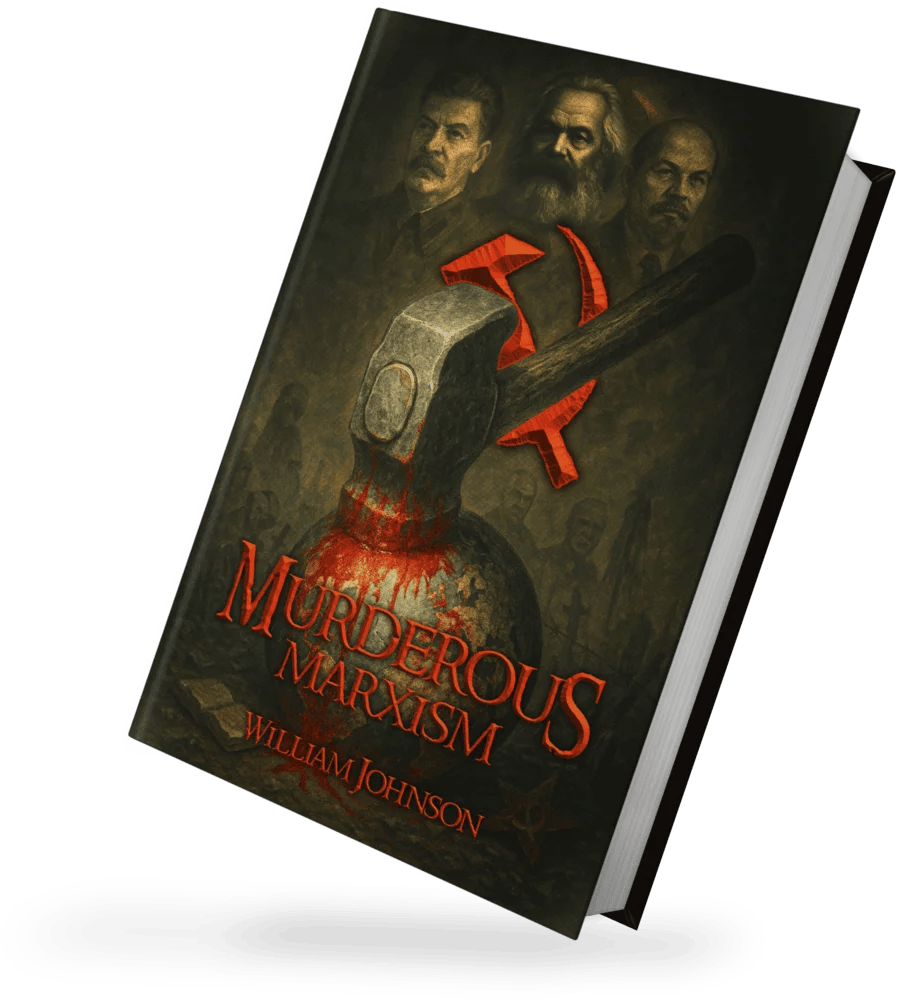
To understand the troubled history of the 20th century further, few books provide as much knowledge as Murderous Marxism by William Johnson. The book itself offers deep insights into this difficult period. Basically, this anti-communist book shows readers the same human suffering caused by communist politics and how it affected history. Basically, this book is different from other political books because it mixes real facts with good storytelling, making it the same level of useful for both students and regular people who want to learn about politics and history.
Why Murderous Marxism Stands Out
Murderous Marxism is widely known as a famous book against communist ideas, and it further establishes itself as an important work in anti-communist literature. This book is actually unique because it does deep research and definitely shows clearly what happens when communist governments rule. As per William Johnson's detailed study, he documents how communist governments came to power regarding their promises and slogans, but also shows the harsh reality that followed.
Some of the key topics covered in the book include:
The Red Terror and the political purges in Soviet Russia
Forced famines under communist regimes, resulting in millions of deaths
The machinery of the communist police state and its impact on citizens
Ideological propaganda versus the lived realities of ordinary people
As per these points, Murderous Marxism is not just a book against communism but also a serious political history book regarding the harsh truths that other history books often ignore.
A Human Perspective on Political History
Murderous Marxism itself shows political history in a human way, which makes it further interesting to read. As per William Johnson's approach, he does not just show numbers or political ideas, but focuses on real human stories regarding the events. This approach helps readers connect with the material further and understand the historical consequences of communist ideology itself more clearly.
The book shows personal stories and their effect on society, making it more than just a record of events; it further serves as a warning for future generations itself. This further shows readers that political systems are not just ideas—they affect millions of lives itself.
Why This Book Is Essential for Readers
Murderous Marxism is among the best books about political history because it:
Offers a well-researched account of communism and its historical impact
Combines facts with a narrative style that is engaging and accessible
Provides a perspective often missing in conventional history books
Serves as a cautionary tale for understanding modern political ideologies
This book is surely a must-read for students, history lovers, and people interested in anti-communist writings. Moreover, it offers valuable insights for anyone studying this important topic. We are seeing this book gives only real facts and makes us think deeply, so it is one of the best books on political history we can get.
FAQs About Murderous Marxism
Who is William Johnson?
William Johnson is a bestselling non-fiction author known for his work on political history. His book Murderous Marxism examines the realities of communism and the human cost of its implementation.
What topics does Murderous Marxism cover?
The book covers the rise of communist regimes, the Red Terror, forced famines, ideological propaganda, and the human impact of political policies.
Why is this book considered one of the best political history books?
It combines thorough research, factual storytelling, and a unique perspective on anti-communist history, making it accessible and insightful for a wide range of readers.
Who should read this book?
Students, history enthusiasts, and anyone interested in understanding the human and societal consequences of political ideologies will benefit from reading this book.


Comments