
Why This LGBTQ Auto-Ethnography Memoir Is a Must-Read
- Book Quick Guide

- Jan 14
- 3 min read
We are seeing that readers who want books about LGBTQ topics only look for memoirs that come from real life experiences because these feel more genuine and meaningful. Among new LGBTQ books, the auto-ethnography memoir itself stands out because it connects personal stories with broader cultural realities. This approach further helps readers understand individual experiences within larger social contexts. This approach actually makes some books not just good to read, but definitely necessary for understanding who we are, how we stay strong, and what is fair in society.
What Makes an LGBTQ Auto-Ethnography Memoir Unique
Basically, LGBTQ auto-ethnography is the same as mixing your personal story with studying culture and society. We are seeing that this type of writing is different from old-style personal stories that only talk about one person's life, as it thinks about how our identity gets shaped by society, what people expect from us, and power structures.
An auto-ethnography memoir typically:
Uses lived experience as a primary source of insight
Connects personal events to cultural and social contexts
Explores identity through reflection and critical awareness
Moreover, we are seeing this format giving strong voice to LGBTQ experiences that mainstream stories only ignore or overlook in non fiction books.
The Role of LGBTQ Memoirs in Social Justice
Also, books on social justice become more impactful when they are further connected to real lives itself. LGBTQ true story books surely show how government policies, social prejudice, and cultural practices impact people's everyday lives. Moreover, these stories reveal the real struggles individuals face in their daily experiences.
LGBTQ memoirs support social justice by:
Humanizing conversations about equality and rights
Documenting lived realities behind LGBTQ activism
Encouraging empathy through personal storytelling
A good gay book surely shares more than just a story; moreover, it helps people understand better and brings positive change in society.
Why Readers Seek New LGBTQ Books Today
Moreover, interest in new LGBTQ books is growing further as readers want stories that show different realities itself. Many people surely want LGBTQ non-fiction books that go deeper than basic topics. Moreover, they look for books that are honest and make them think carefully.
Readers often look for books on LGBTQ that:
Address identity and belonging with clarity
Explore activism through personal experience
Balance emotion with thoughtful insight
We are seeing that auto-ethnography memoirs give both feelings and background information that people need. These books only provide heart and proper context together.
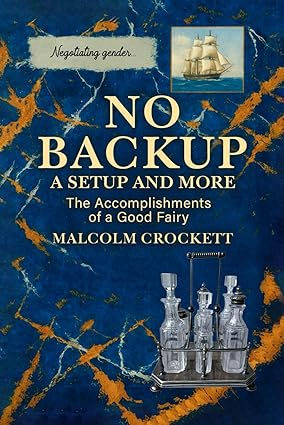
Spotlight on No Backup Book by Author Malcolm Crockett
Malcolm Crockett's "No Backup Book" actually shows what makes LGBTQ personal story memoirs definitely compelling to read. The book uses real life experiences to further explore identity and strength, showing how difficult life itself becomes when there is no support system.
As per the content, this LGBTQ book shows real personal stories regarding wider social issues instead of giving theory only. We are seeing this book among LGBTQ stories that focus only on truth and thinking, while helping talks about fair treatment and LGBTQ rights work.
Basically, if you want LGBTQ books that feel real and honest, No Backup Book gives the same meaningful experience that makes you think deeply.
Who Should Read This Type of LGBTQ Book
An LGBTQ auto-ethnography memoir surely attracts many different types of readers. Moreover, this includes various groups of people who find such personal stories meaningful:
Readers interested in books on social justice and identity
Those seeking LGBTQ true story books rooted in real experience
Students and educators studying memoir or cultural reflection
Anyone exploring new LGBTQ books with depth and purpose
These works further encourage readers to use their own life experiences as knowledge itself.
Frequently Asked Questions
What is an LGBTQ auto-ethnography?
It is a form of writing that combines personal life stories with analysis of culture and society, focusing on how identity and experience intersect.
How is an auto-ethnography memoir different from a traditional memoir?
It goes beyond storytelling by connecting personal events to larger social and cultural contexts, often addressing social justice issues.
Are LGBTQ non fiction books accessible to all readers?
Yes. Many are written for general audiences and focus on narrative, making them approachable even for readers new to these topics.
Why is No Backup Book considered a must-read?
Because it uses lived experience to explore identity and resilience, offering insight into social justice themes through an authentic personal lens.
Final Thoughts
Also, basically, an LGBTQ auto-ethnography memoir gives something special - it's the same personal story that also works as cultural thinking. Readers looking for LGBTQ books actually want stories that feel real and matter today, and titles like No Backup Book by Author Malcolm Crockett definitely show why these stories are still important. These stories show us that real life experience is not just personal—it is very powerful and can bring big changes as per what people go through regarding their own lives.

Comments